Your cart is empty.
Add some books to get started.
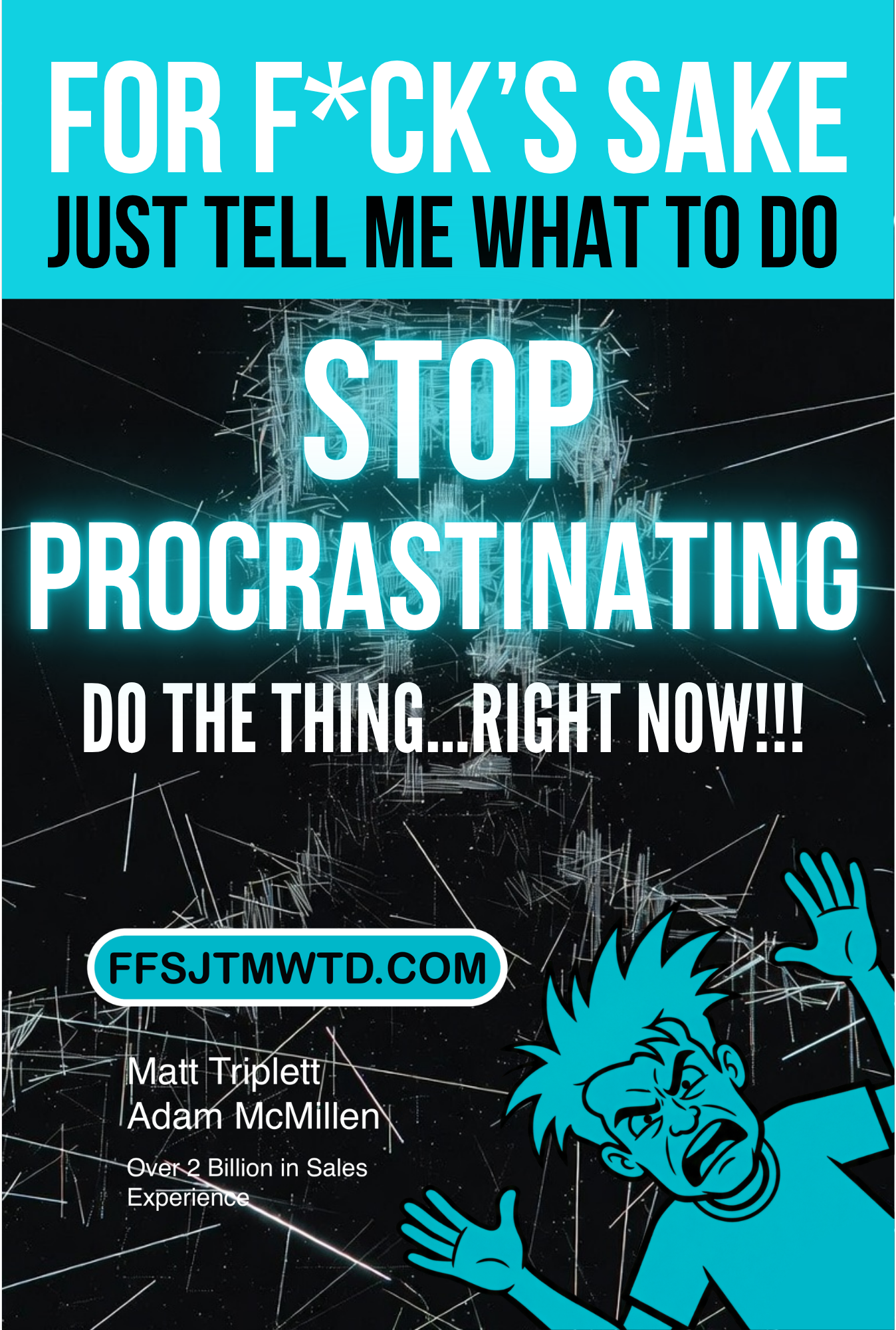
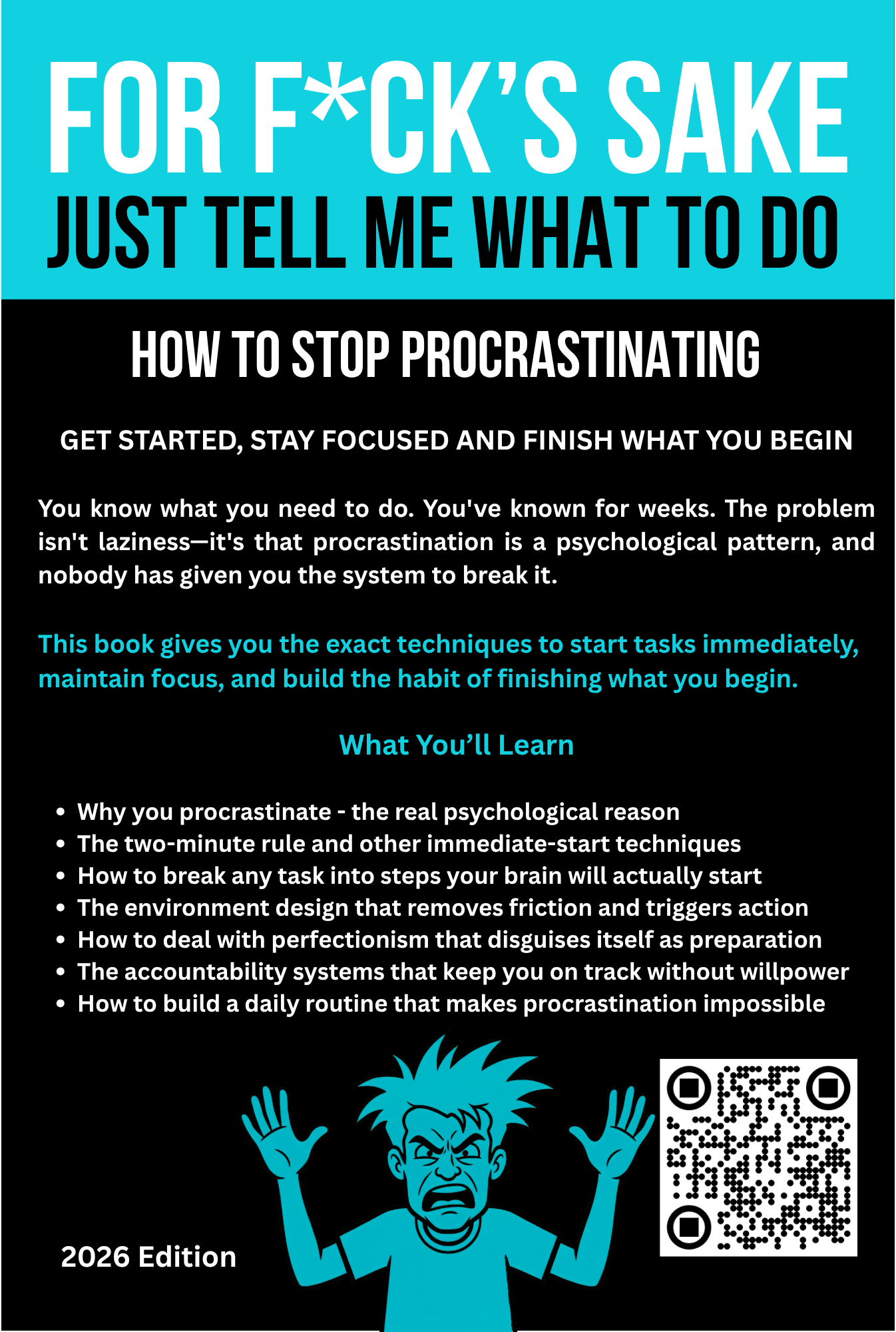
How to Stop Procrastinating
The exact steps to start doing the thing you keep avoiding
Procrastination is not a time management problem. It is an emotion regulation problem. This guide draws on clinical research, behavioural psychology, and the work of researchers at Durham, Carleton, and the APA to give you the exact steps to stop avoiding and start doing. 17 chapters including new 2026 content on dopamine, revenge bedtime procrastination, the AI trap, body doubling, and what's working right now. No theory. No affirmations. No vision boards. Just the steps.
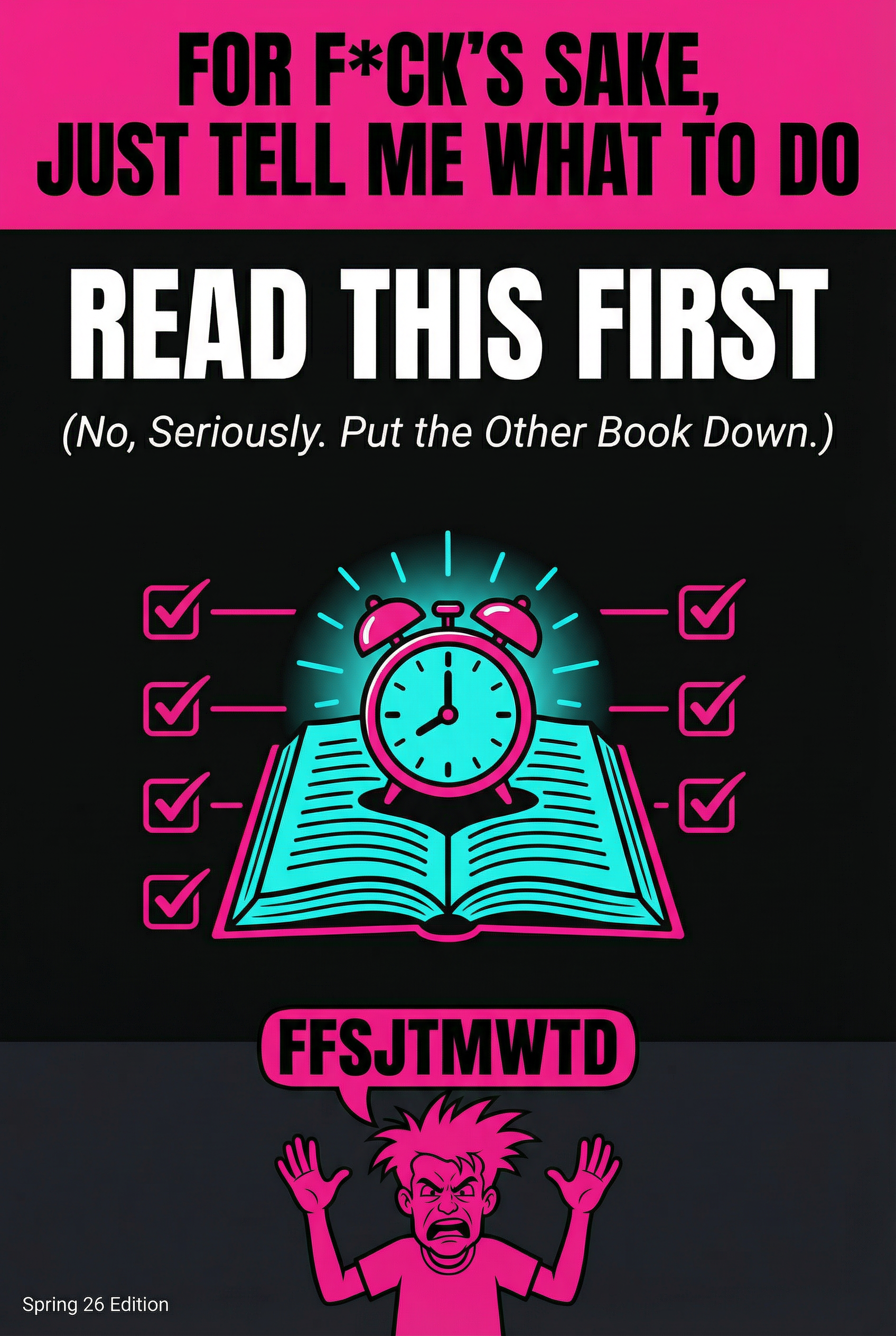
Free Bonus Included
Every order includes the Read This First starter guide — a free 16-page fillable PDF to get you ready before you open the book.
Get Chapter 1 free — delivered to your inbox instantly, no strings attached.
Why You Need This Book
Procrastination is not a time management problem — it is an emotion regulation problem. You avoid the task because starting it feels bad. This book draws on clinical research from Durham, Carleton, and the APA to give you the exact steps to stop avoiding and start doing. No vision boards. No motivational quotes. Just the mechanism.
Understand the real reason you procrastinate — it's not laziness
Use Implementation Intentions to make starting automatic
Apply the Ivy Lee Method to end decision fatigue every morning
Break the avoidance loop with the 2-Minute Rule done correctly
Handle the emotional discomfort that triggers procrastination
Build systems that keep you on track without willpower
The Podcast
How to Stop Procrastinating — The Podcast
A 5–7 minute deep-dive into the impact of this book and why it matters. Coming soon.

What's Inside
Table of Contents
Recommended Equipment & Tools
The digital PDF version of this book includes clickable affiliate links to all recommended equipment and tools. When you buy through these links, you support the series at no extra cost to you.
Affiliate disclosure: We may earn a small commission on purchases made through these links, at no extra cost to you. We only recommend tools we genuinely use or believe in.
A Taste of What You'll Learn
Pro Tips
The two-minute rule only works if you reduce friction first. Have the document open, the materials out, the phone in another room — before you sit down. Starting should be the path of least resistance.
Implementation intentions increase follow-through by 200–300%. Don't say 'I'll work on it this week.' Say 'On Tuesday at 9am I will open the report and write for 30 minutes before I check email.' The specificity is the mechanism.
Don't Be That Person
Don't wait until you feel motivated. Motivation follows action — it does not precede it. You do not wait until you feel like going to the gym and then go. You go, and then you feel like you went.
Don't use the two-minute rule to do seventeen small tasks instead of the one big task you are avoiding. If you have done seventeen two-minute tasks today and none of them were the thing, you are a Busy Procrastinator.
This is just a sample. The full book contains dozens more Pro Tips and Don't Be That Person moments.
Complete the Series
Every book in this series is a standalone guide — read them in any order.
From the Rest of the Catalogue

What Readers Are Saying
Finally, someone who gets it
I have read every productivity book going and they all say the same thing: make a list, use a timer, reward yourself. This one actually explains WHY I keep avoiding things and gives me tools that address the actual cause. The emotion regulation chapter was a revelation.
Harriet Bowman
London, UK
Finished it in one sitting
The irony of reading a book about procrastination in one sitting is not lost on me. But that is how good it is. The two-minute rule section finally explained why mine never worked before: I was doing it wrong. The friction reduction bit changed everything.
Declan Farrell
Dublin, Ireland
The most honest productivity book I have read
It does not pretend that motivation is something you wait for. The line about motivation following action rather than preceding it is something I have repeated to myself every day since reading it. My to-do list is finally shrinking.
Priya Sharma
Mumbai, India
Genuinely useful
The chapter on perfectionism as procrastination hit hard. I have been calling myself a perfectionist for years as if it were a compliment. Turns out it is just a fancy word for avoidance. The 80 percent rule has changed how I work. Four stars only because I wanted more on workplace procrastination specifically.
Marcus Webb
Birmingham, UK
Short, sharp, and actually works
I was expecting another vague self-help book. Instead I got a clear explanation of what procrastination actually is, six types I could immediately recognise in myself, and practical tools for each one. The phone protocol alone has saved me hours every week.
Yuki Nakamura
Osaka, Japan
Changed my relationship with work
I am a freelancer and procrastination was genuinely costing me money. This book helped me understand that I was not lazy, I was avoiding the discomfort of starting. The implementation intentions technique has transformed my mornings.
Amara Diallo
Dakar, Senegal